Tents
Compare tent styles, seasonal protection, packed weight, and setup comfort before choosing your shelter.


Camping field notes
Explore tents, sleeping bags, camp stoves, outdoor accessories, and practical buying advice for readers planning better trips in every season.
Gear planning
The best camping setup usually comes from balanced decisions. A tent that matches your trip style, a sleeping bag suited to realistic temperatures, and a few dependable essentials can improve comfort far more than a long list of unnecessary accessories.
On this page, readers can explore practical camping gear categories, comparison ideas, field-friendly planning tips, and simple guidance for making smarter choices before the next trip.
Editor’s note
Start with shelter, sleep, and water. Most comfortable trips are built on those three foundations.
Core categories
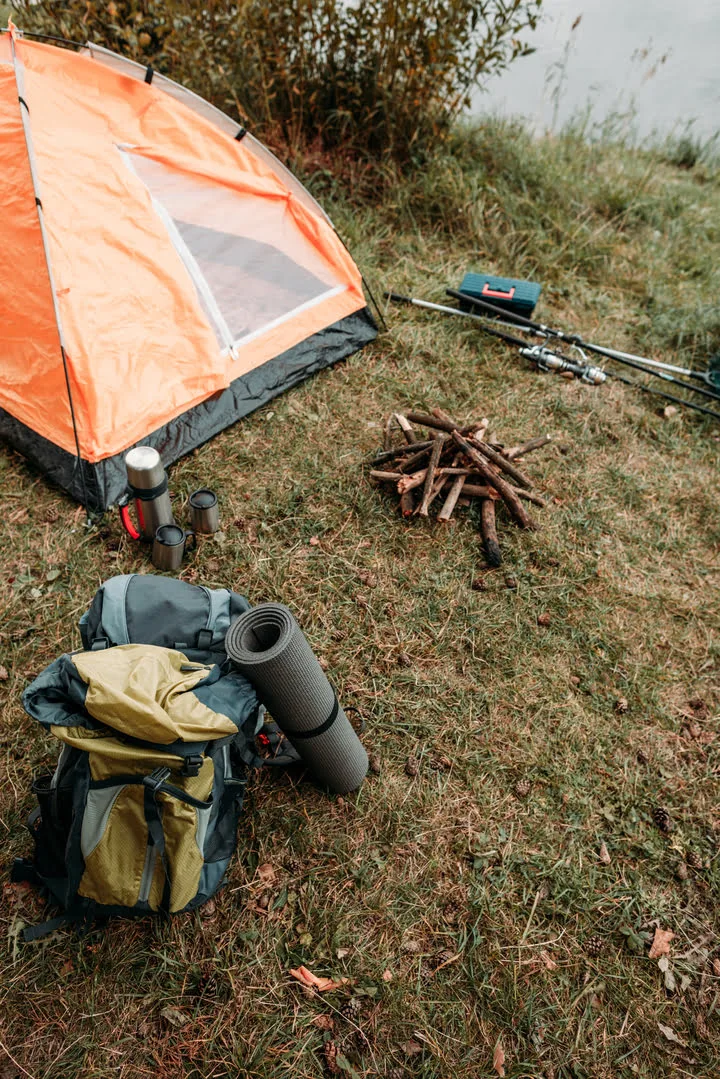
Compare tent styles, seasonal protection, packed weight, and setup comfort before choosing your shelter.
Understand insulation types, warmth ratings, and shape differences for better overnight comfort.
Look at fuel type, boil speed, wind performance, and packability for practical outdoor cooking.
From water storage to compact cleaning essentials, small gear choices often improve the whole trip.
How to choose
Gear comparisons become more useful when you start with context. Think about how you travel, how often you camp, what weather you expect, and how much weight you are willing to carry.
A product that performs well in one setup may not be the right choice in another. Spacious tents, for example, are excellent for campsite comfort, while lighter shelters are often better for moving longer distances with less strain.
The most helpful gear reviews explain trade-offs clearly: weight versus durability, warmth versus packed size, or speed versus stability. Those trade-offs are often more important than feature lists alone.
Quick comparison
| Gear type | Best for | Main priority | Why it works |
|---|---|---|---|
| Backpacking tent | Lightweight travel | Low weight | Best when pack space and trail comfort matter most. |
| Car camping tent | Comfort and space | Interior room | A stronger choice for family trips and relaxed campsites. |
| Down sleeping bag | Cold and dry trips | Warmth-to-weight | Excellent performance, but requires better moisture care. |
| Synthetic sleeping bag | Wet or mixed weather | Easy reliability | Usually bulkier, but simpler for unpredictable conditions. |
Packing logic
Reader questions
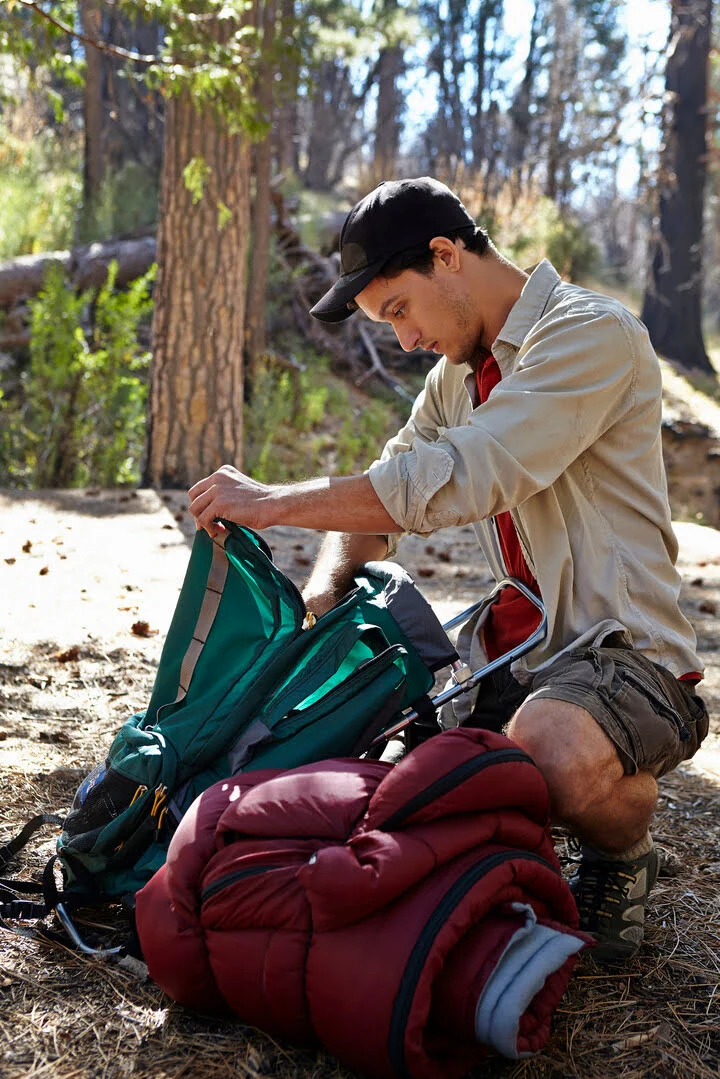
Start with the basics: a suitable tent, a sleeping bag matched to expected temperatures, a sleeping pad, lighting, and simple cooking gear. It is usually better to buy fewer useful items than too many extras at the beginning.
Not always. Higher pricing can improve materials, weight, and durability, but the best choice depends on how often you camp, what weather you face, and how much portability matters for your trips.
That depends on trip type. Backpackers often prioritize weight, while car campers usually benefit more from comfort, space, and easier setup.