Route awareness
Know the distance, terrain, elevation, and expected timing before the trail starts feeling harder than expected.


Trail field notes
Explore trail planning, day-hike packing, clothing layers, comfort essentials, and practical guidance for readers who want smarter outdoor movement.
Trail preparation
Hiking advice is most useful when it helps readers think clearly about movement, comfort, route planning, weather, and energy. A good trail day usually depends less on buying more and more on understanding what the hike actually requires.
This page brings together practical guidance for day hikes and general trail preparation, with a focus on readability, real-world choices, and outdoor comfort that lasts through the whole route.
Trail essentials
Know the distance, terrain, elevation, and expected timing before the trail starts feeling harder than expected.
Take what supports comfort, safety, and weather changes without loading your pack with unnecessary extras.
Conditions shift quickly outdoors, so good planning means preparing for change rather than assuming a stable forecast.
Water, food, timing, and realistic pacing can shape the quality of a hike as much as boots or technical gear.
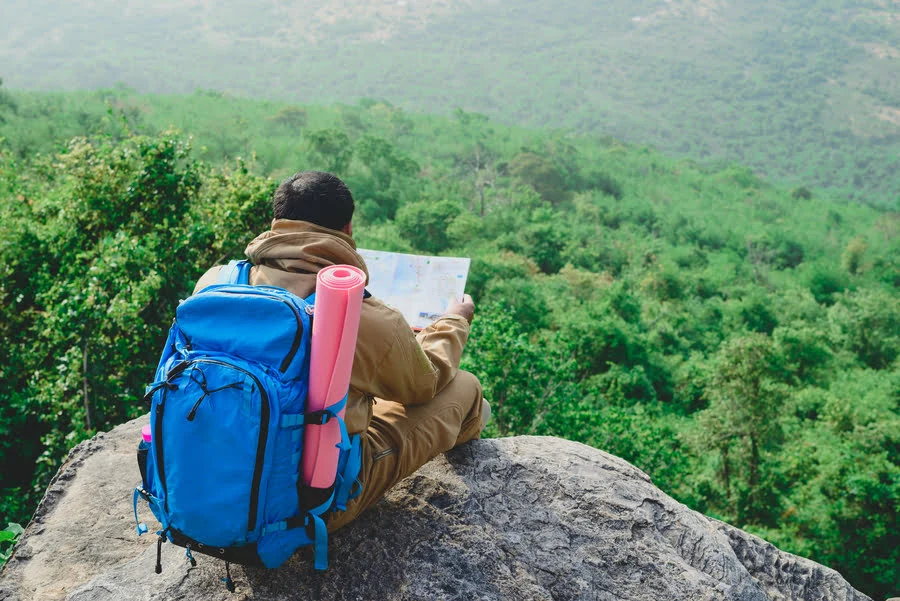
How to think about a hike
Many hiking problems begin before the trail: the wrong clothing for the temperature shift, too much weight for the route, or not enough water for exposed sections.
Good preparation is often quiet and simple. It means understanding the demands of the day, choosing fewer but better essentials, and leaving room for the unexpected.
That is why trail advice works best when it helps readers compare needs: distance versus energy, weather risk versus comfort, and pack weight versus the usefulness of what is actually being carried.
Quick checklist
Comparison table
| Hike type | Main focus | Packing idea | Why it helps |
|---|---|---|---|
| Short day hike | Comfort and pace | Light essentials | Ideal for simpler routes where timing and hydration still matter. |
| Variable weather route | Layering and flexibility | Extra shell or insulation | Changing conditions make adaptable clothing more valuable. |
| Longer elevation day | Energy management | Balanced food and water | More distance and climbing increase the value of pacing and recovery. |
| Warm exposed terrain | Sun and hydration | Water, cap, lighter layers | Exposure can make even moderate trails feel more demanding. |

Reader questions
Start with the basics: water, weather-appropriate layers, comfortable footwear, a small food supply, and a simple understanding of the route. Useful hiking preparation is usually about balance, not overpacking.
Choose items based on route length, conditions, and weather risk. The goal is not the lightest pack possible, but a pack that supports your hike without becoming unnecessary weight.
Layering is usually more helpful than a single heavy solution. Clothing should adapt to temperature shifts, wind, and effort level throughout the hike.