Route planning
Study access, terrain, weather exposure, and movement options before relying on any single plan in the field.


Field planning notes
Explore route planning, tracking basics, gear considerations, and outdoor decision-making for readers who want clearer hunting guidance before heading into the field.
Field awareness
Hunting guides are most useful when they focus on the full picture: terrain, weather, timing, route entry, observation, and practical decision-making in the field. Preparation often shapes the quality of the day more than any single gear choice.
This page brings together readable guidance for planning, movement, and hunting logic in a way that helps readers think more clearly before and during time outdoors.
Core pillars
Study access, terrain, weather exposure, and movement options before relying on any single plan in the field.
Track sign, visibility, wind direction, and habitat patterns before making fast decisions about placement or timing.
Preparation is not only about gear. Good positioning, patience, and clear decision-making matter just as much.
Planning logic
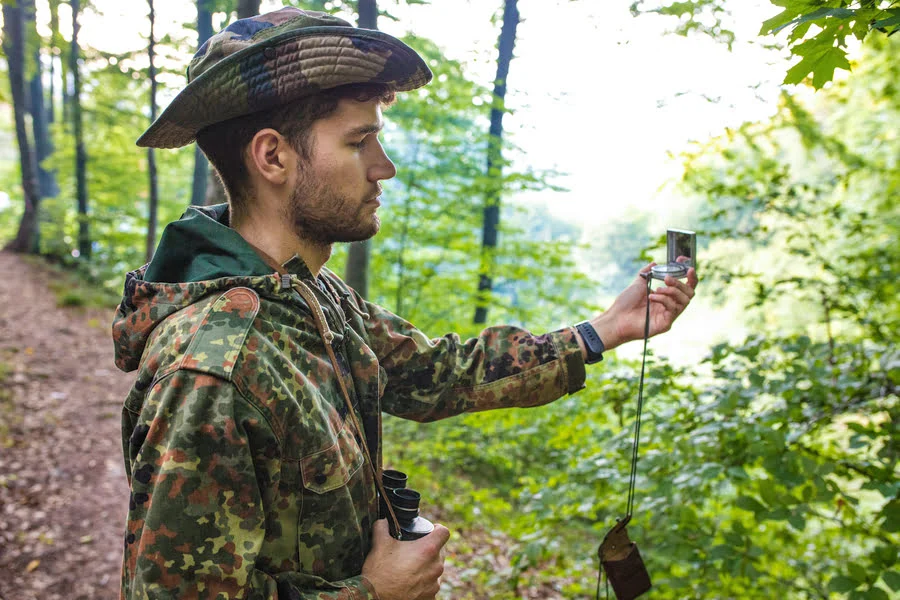
Good setups are often quiet, deliberate, and supported by more than one possible outcome. Readers benefit most when guides explain how to think through changing terrain, timing, visibility, and wind.
The strongest plans usually leave room for adaptation. A route that looks ideal on paper may become less effective once wind shifts, visibility opens, or movement patterns suggest a different approach.
That is why field preparation is not only technical. It is also mental: being calm enough to adjust, patient enough to observe, and realistic enough to choose the better option when the original idea no longer fits.
Quick reference
| Situation | Best for | Main focus | Why it matters |
|---|---|---|---|
| Dense woodland | Close observation | Movement and quiet approach | Tighter terrain rewards patience, slower pacing, and more attention to immediate sign. |
| Open field edges | Visibility and distance | Wind and route entry | Approach matters more when movement can be detected from farther away. |
| Cold morning conditions | Structured setup | Timing and stillness | Lower temperatures can shift activity patterns and make timing more important. |
| Changing wind | Adaptive planning | Flexibility | A strong backup route is often more valuable than forcing the original setup. |
Preparation rhythm
One of the most useful ways to prepare is to break the outing into stages. Each stage asks for a different kind of attention: planning, setup, observation, and adaptation.
Review terrain, weather, legal requirements, and access details. Build a plan that still works if conditions shift.
Move with enough margin for a quiet setup. Rushed movement often creates avoidable mistakes early in the day.
Observe more than you react. Wind, sign, and movement often tell you whether patience or repositioning is the better choice.
Reader questions
Begin with safety, local rules, route planning, and field awareness. Gear matters, but planning and observation usually improve outcomes more than buying extra equipment too early.
Wind influences detection, movement, and how reliable your setup will be over time. It often changes how useful a location really is.
In many cases, yes. Good scouting helps you understand terrain, access, and behavior patterns, while gear is only helpful when used in the right context.